
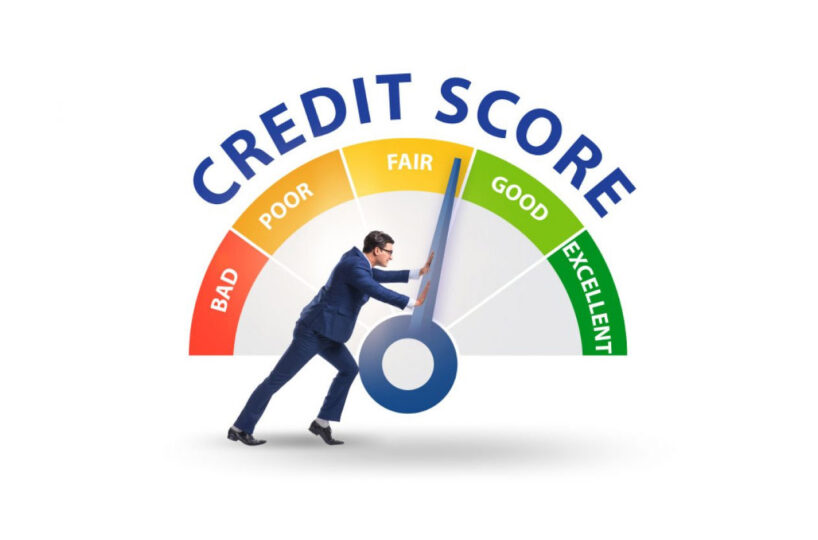
A credit score is an analysis of an individual’s credit history over the last two to three years. It is a calculation used by lenders to determine whether you qualify for credit, such as a loan or credit card and at what rate. The information in your credit report is used by most credit and service providers as an important contribution to the development of their own credit rating.
Your credit score is calculated by a credit bureau.  A good credit record is a reward for responsible financial management, and dependable payment of your debit orders month to month. Each credit bureau is sent information by lenders about the credit you have and how you manage it. Other information, such as court judgments against you or whether you are undergoing debt review, are also sent to the credit bureaus and form part of your credit report
What is a good credit score?
Generally, the higher your score, the better, this means your credit report contains information that shows you’re low risk, so you’re more likely to appeal to lenders. It shows sign of good debt. Good debt is affordable debt that can help you can reach your goals and objectives faster; produce greater value over the long-term, such as education or a home loan; or cover medical bills to improve your quality of life.
Getting on Track
The steps you take to improve your credit score will depend on your unique credit profile. There are several ways you can improve your credit score, including making on-time payments, paying down balances, avoiding unnecessary debt and more. But it can be difficult to know where to start.
Help yourself get on track by creating a financial plan;
- Calculate your income
- Deduct your basic monthly payments (rent or home loan repayment, groceries and fuel)
- List all arrears payments, loans and credit commitments
- List the luxury expenses (e.g beauty appointments, fancy dinners or movies)
- If you spend more then you have incoming, luxuries are the first place to start cutting down
- Decide how much you can afford to pay off existing debts and tackle the smallest ones first, or the ones which have the highest interest rates
- Don’t be tempted to take another loan to pay off existing debts
- Know at all times what you can spend, and try not to live above your means
- Develop a savings plan and put aside a set amount each month if you can
- Be aware of where you stand financially at all times so that you have enough time to develop a plan should something unexpected happen
Improve your Credit Score
To improve your credit score, you’ll need to demonstrate sound financial management over a period of up to three years.
Here are some tips you can use to help your credit rating;
1. Pay On Time
Payment history includes on-time, late and missed payments, all of which are reported to one or more of the national consumer credit bureau. Always making payments on time can go the furthest to helping you improve credit.
2. Pay Off Credit / Loans
If you have one or more high credit card balances, make paying them off a priority. Consider different ways to pay down your credit card debt. If you regularly pay your credit card bill in full but still have a high utilization rate due to low credit limits, consider paying your bill shortly before your monthly statement date or making multiple payments to keep your balance low throughout the month.
3. Diversify Your Credit
Your credit mix will likely improve naturally over time as you apply for different types of credit to meet your financial needs. For example, someone with two credit cards, an auto loan and a mortgage loan will have a stronger credit mix than someone with just one credit card.
(Note: your credit mix generally won’t be a major factor in determining your eligibility for a loan or credit card, but it can help take a good credit score to the next level. )
4. Limit New Credit
Virtually every time you apply for credit, the lender will run a hard inquiry on one or more of your credit reports. Each hard inquiry will typically knock fewer than five points off your credit score, but multiple inquiries in a short period of time, especially when applying for credit cards, could have a compounding negative effect.
Only apply for credit when you need it to avoid too many hard inquiries. Before you apply for a loan or credit card, check to see if the lender offers pre-qualification, which can give you an idea of your eligibility and potential terms with a soft credit check, which won’t impact your credit score.
5. Dispute Information that is not accurate
Inaccurate credit report information can have a significant negative impact on your credit score, especially if it’s a serious issue like a late payment or a high credit card balance.
Start by getting your credit report. Review your reports for any information you don’t recognize. If you find inaccurate details, follow the dispute process with the provider and the other credit bureaus to initiate an investigation. Credit disputes are typically resolved within 30 days. If the credit bureau determines that your dispute is valid, it will correct or remove the negative information.

Impact of NO Credit Score
For individuals who have not yet established a credit score, lenders face a challenge—they have less information to gauge how trustworthy and creditworthy you might be.
Without a clear picture of your financial reliability, these providers may perceive a higher level of risk and this could lead to them charging higher interest rates for borrowing money. In some cases, they might even decide not to issue credit at all. If you’re looking for credit, one of the best ways to ensure that you get it by having a good credit score. And most individuals who are interested in buying property, will land up applying to the bank for a loan (this is your bond). Whether it’s through responsible use of a credit card, making timely payments or utilising smaller forms of credit, there are various ways to ensuring your credit score reflects a positive borrowing history.
Effectively managing your finances is essential to your financial well-being, which is defined as informed financial decision making, learning how to save, invest, use credit wisely, and plan for the future.
To check the status of your current credit score you can visit TransUnion or ClearScore
Related Posts

Tips For Buyers
Are you looking for your perfect home? Are you ready to be…